
Common Wood Pellet Standards Worldwide (ENplus, ISO 17225-2) Explained for Buyers
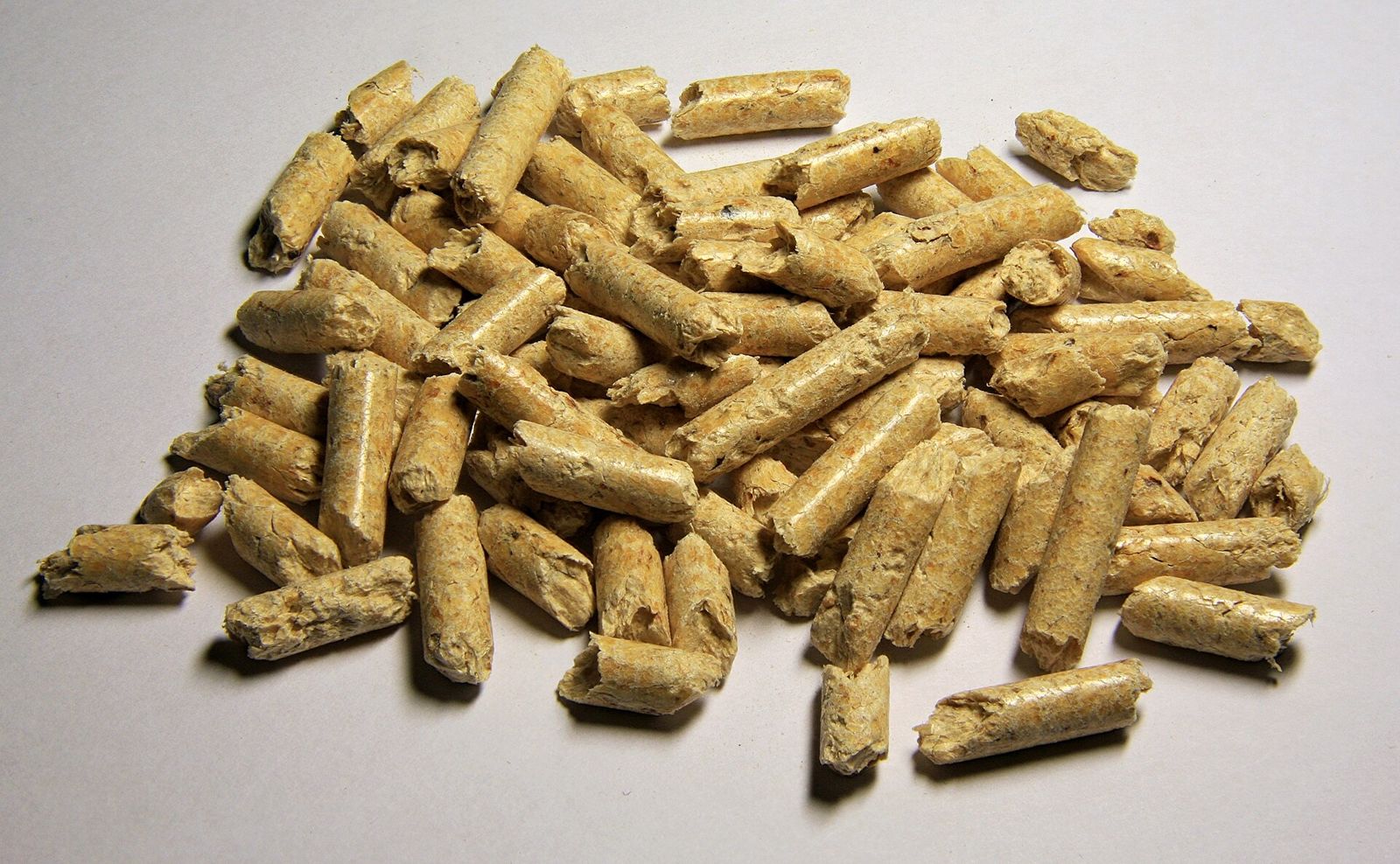
Photo: D-Kuru · CC BY-SA 3.0
Wood pellets are becoming a preferred biomass fuel for industrial boilers, thermal power plants, and heating systems. However, product quality in the market varies widely. Understanding international standards helps buyers select fuel that meets technical requirements and ensures operational efficiency.
Why Are Standards Needed for Biomass Energy?
Unlike fossil fuels with stable properties, pellets are produced from various raw material sources: sawdust, wood chips, and wood processing by-products. Differences in wood types, production processes, and raw material treatment lead to inconsistent final product quality. International standards were established to classify, evaluate, and provide a common language for buyers and sellers during transactions, particularly important for businesses specializing in pellet export.
ISO 17225-2 Standard: International Grading System
ISO 17225-2 is the most common standard for biomass energy in pellet form, classifying products into grades A1, A2, and B based on raw material origin and technical specifications.
Grade A1 is for pellets from virgin wood or by-products not treated with chemicals, with the lowest ash content (≤0.7%), moisture content ≤10%, and heating value ≥16.5 MJ/kg. This is the highest grade, suitable for automatic combustion equipment with strict ash residue requirements.
Grade A2 allows higher ash content (≤1.2%), with raw materials that may include plantation forest by-products and bark. This grade still meets industrial needs well but may produce more ash when burned.
Grade B accepts ash up to 2.0%, used for products from untreated industrial wood or lower-quality forest by-products. This grade is typically used in large industrial furnaces capable of handling high ash content.
Beyond ash content, ISO 17225-2 also specifies pellet diameter, length, mechanical durability (minimum 98% for grade A1), fines content (≤1%), and bulk density. These specifications directly affect automated conveyor belt transport capability, combustion efficiency, and equipment lifespan.
ENplus: Quality and Supply Chain Certification
ENplus is not just a product standard but a certification program for the entire supply chain, from manufacturers, warehouses to distributors. ENplus certification ensures products comply with technical requirements and maintain quality control throughout production, storage, and transportation.
The ENplus system divides into ENplus A1, A2 corresponding to international grades. The major difference is that ENplus requires periodic factory inspections, random sampling, and clear traceability. For large buyers, especially thermal power plants in Europe, ENplus demonstrates quality consistency, reducing risks when importing in large volumes.
Distinguishing ENplus From Sustainability Certifications
It's important to note that ENplus is a product quality certification, different from sustainability certifications like FSC, PEFC, or SBP. FSC and PEFC confirm wood comes from sustainably managed forests with legal traceability. SBP (Sustainable Biomass Program) focuses on biomass used for energy production, evaluating both raw material origin and environmental impact.
A shipment may have SBP certification but not meet ENplus if technical quality is insufficient. Conversely, a product meeting ENplus A1 technically but lacking sustainability certification will not be accepted in markets requiring traceability like Europe or Japan under Clean Wood Laws.
How to Read Technical Specifications When Purchasing
When receiving quotes or product catalogues, buyers need to compare the following specifications with boiler requirements:
Diameter: commonly 6 mm or 8 mm (±1 mm according to standards), affecting hopper configuration and burner head.
Moisture content: ≤10% provides high heating value and prevents pellets from molding in storage. High moisture reduces combustion efficiency, increases smoke and ash.
Ash content: grade A1 ≤0.7%, grade A2 ≤1.2%, grade B ≤2.0%. Small furnaces and sensitive automatic systems should choose low ash to reduce cleaning frequency.
Heating value: typically 4,200–4,800 kcal/kg (approximately 16.5–20 MJ/kg). Compared to coal (5,000–7,000 kcal/kg), sawdust pellets have lower heating value but significantly lower sulfur content (about 0.02–0.12% versus coal's 0.5–6%).
Mechanical durability: minimum 98% ensures pellets don't break during conveyor belt transport.
Considerations When Choosing Fuel for Boilers and Pellet Export
For domestic industrial boilers, prioritize products meeting grade A2 or higher to reduce maintenance costs and extend combustion chamber lifespan. Buyers should require suppliers to provide test results from independent laboratories, not just rely on product declarations.
If trading pellet export to Japan, Korea, or Europe, beyond technical quality according to ISO 17225-2, prepare sustainability certifications (SBP, PEFC, or FSC depending on market) and ensure legal traceability. Some markets also require ENplus to demonstrate supply chain stability, especially when raw materials are primarily wood chips or sawdust from plantation forests.