
How to Store and Transport Wood Pellets and Wood Chips Safely
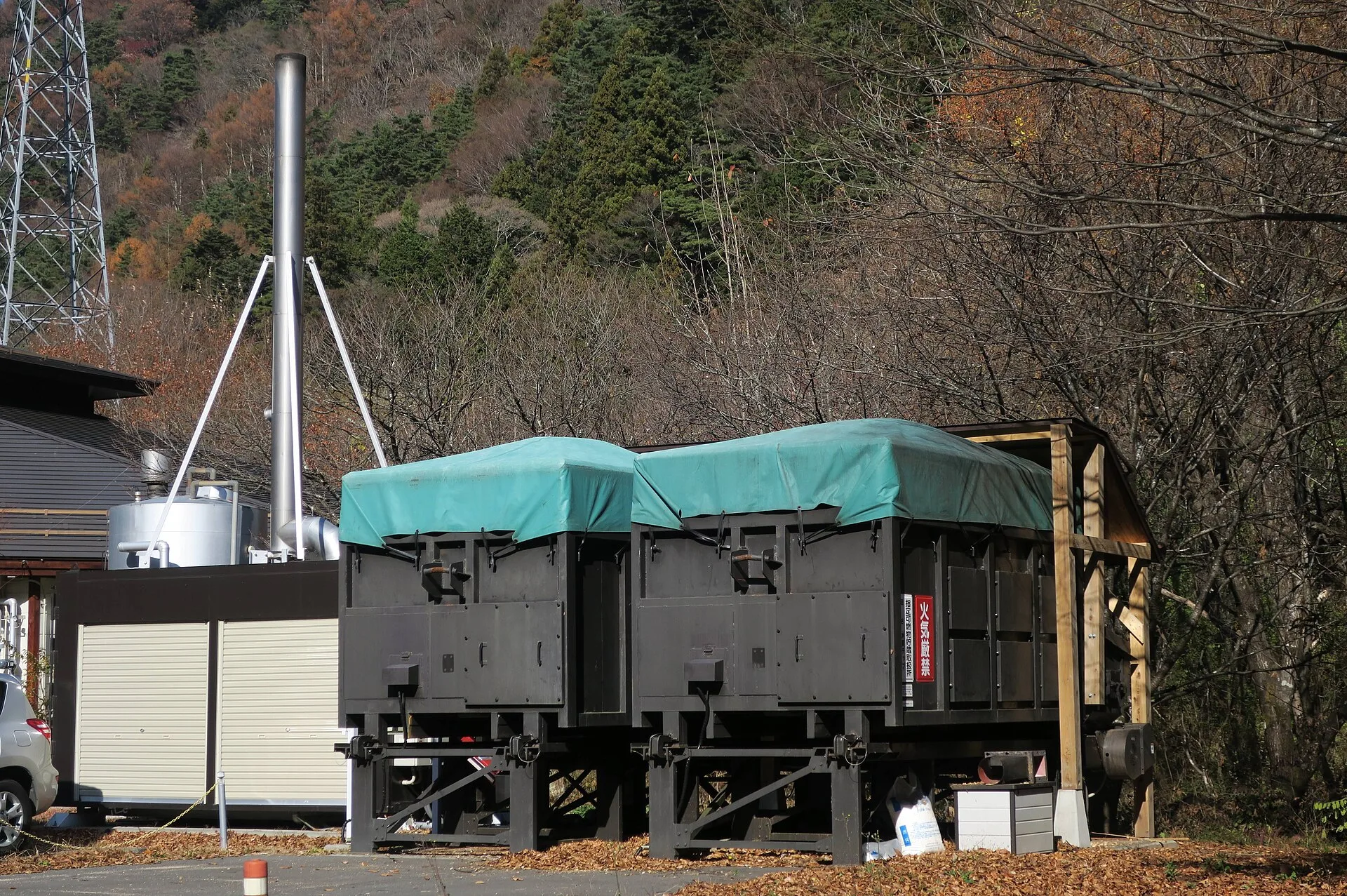
Photo: photo: Qurren (talk) Taken with Canon PowerShot G9 X · CC BY-SA 4.0
Wood pellets and wood chips are two common forms of biomass fuel in industry, but their physical properties require specific storage measures to ensure quality as well as occupational safety.
Basic principles for maintaining biomass fuel quality
Wood pellets have high mechanical durability but are very sensitive to moisture. When exposed to water, pellets will expand approximately 3–4 times and crumble, losing their shape and fuel properties. Therefore, the most important principle is to keep them dry, avoiding contact with rain, water, or moisture from the warehouse floor.
With wood chips, moisture directly affects calorific value and boiler operational capacity. Products with high moisture content will reduce efficiency and cause difficulties for small boilers. Storage needs to limit additional moisture absorption from the environment, especially for materials that have been dried.
Warehouse requirements and environmental storage conditions
Wood pellet storage facilities need to have covered roofs, floors elevated above ground level, and ventilation. Pellets should not be placed in storage immediately after production while still warm, as warm pellets can self-heat faster due to slow oxidation processes.
Wood chip warehouses typically have covered roofs or tarp-covered yards. If stored outdoors, covering measures are needed to prevent rain from increasing moisture content. Warehouse floors should be designed with good drainage and minimize direct contact between raw materials and damp flooring.
In provinces with developed wood processing industries such as Quang Ngai, warehouse systems are typically designed to suit the tropical monsoon climate, emphasizing drainage capacity during the rainy season.
Safety risks when storing in enclosed warehouses
Storing pellets in enclosed warehouses can accumulate CO, CO₂, and methane gases due to slow self-oxidation processes. These gases are colorless, odorless, and can cause asphyxiation. There have been fatal accidents when staff entered enclosed warehouses without prior ventilation.
For prevention, warehouses must be thoroughly ventilated before anyone enters. Monitoring gas concentrations and equipping personal protective equipment is also recommended for large warehouses.
Transporting wood chips and pellets: notes on moisture and temperature
During wood chip transport, covering or using enclosed vehicles is necessary if rain is forecasted. For pulpwood chip transactions, pricing can be based on absolute dry tons or fresh tons, so clear agreement on standard moisture content is needed to avoid disputes.
When transporting wood pellets, containers or vehicles must be watertight, protected from rain and moisture. If pellets are still warm when loaded onto vehicles, ventilation must be ensured to dissipate heat and avoid toxic gas accumulation.
Preventing fire and explosion from dust in biomass energy storage
Fine dust when accumulated at high concentrations can explode if exposed to fire sources or electrical sparks. Industry recommendations advise against allowing dust accumulation thicker than approximately 3 mm on surfaces.
To reduce risks, regular cleaning is required at grinding, pressing, packaging, and silo areas. Water should not be used to extinguish fires in enclosed silos; using nitrogen or CO₂ gas is recommended instead.
Storage of compressed sawdust charcoal briquettes and export charcoal products
Note: Reference data does not provide specific information on storing compressed sawdust charcoal briquettes. However, since compressed charcoal is a carbonized product, its initial moisture content is lower than pellets and absorbs less moisture. Direct rain exposure should still be avoided to maintain product quality and burning durability.
For businesses dealing in export charcoal, compliance with safe storage and transport procedures not only maintains product quality but also protects worker health and meets international occupational safety standards.